Documents, images, and unstructured data
Extract fields, classify information, summarize history, compare versions, read receipts, analyze photos, and turn messy inputs into usable records.
ServicesAI + automation
We connect models, business rules, data, and the tools your team already uses so useful work happens automatically. Information gets extracted, decisions get prepared, records get updated, and people stay in control.
Where we start
A chatbot alone rarely changes an operation. The leverage comes from giving intelligence the right context, a defined job, access to the right tools, and a clear handoff to the person responsible for the decision.
Extract information, route work, create records, prepare documents, and follow up without redoing the same steps.
Combine business data, documents, photos, external sources, and rules into a useful recommendation.
Permissions, review steps, audit trails, and explicit approvals where the decision belongs to a person.
Featured · Staker Collins Flip OS
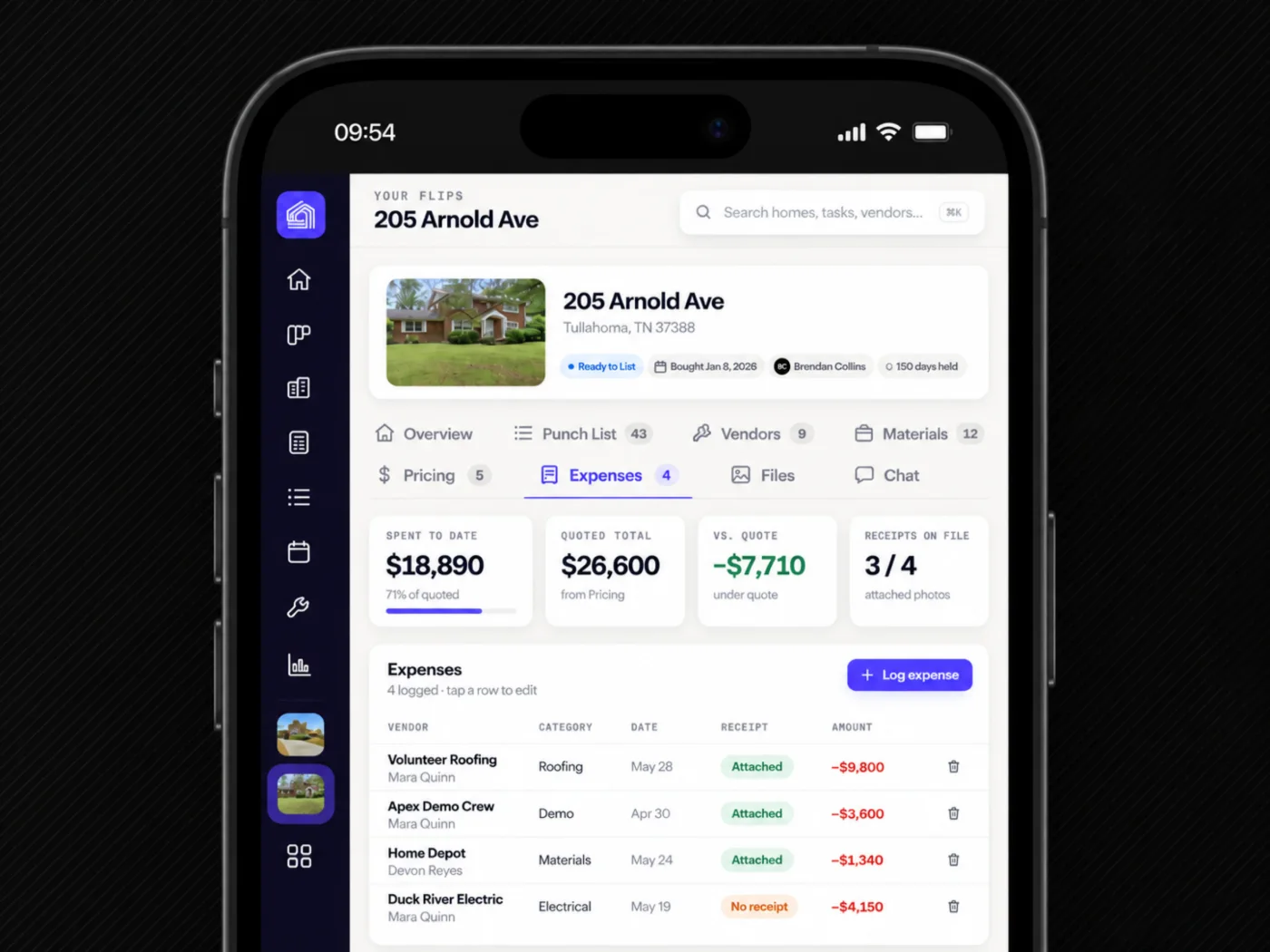
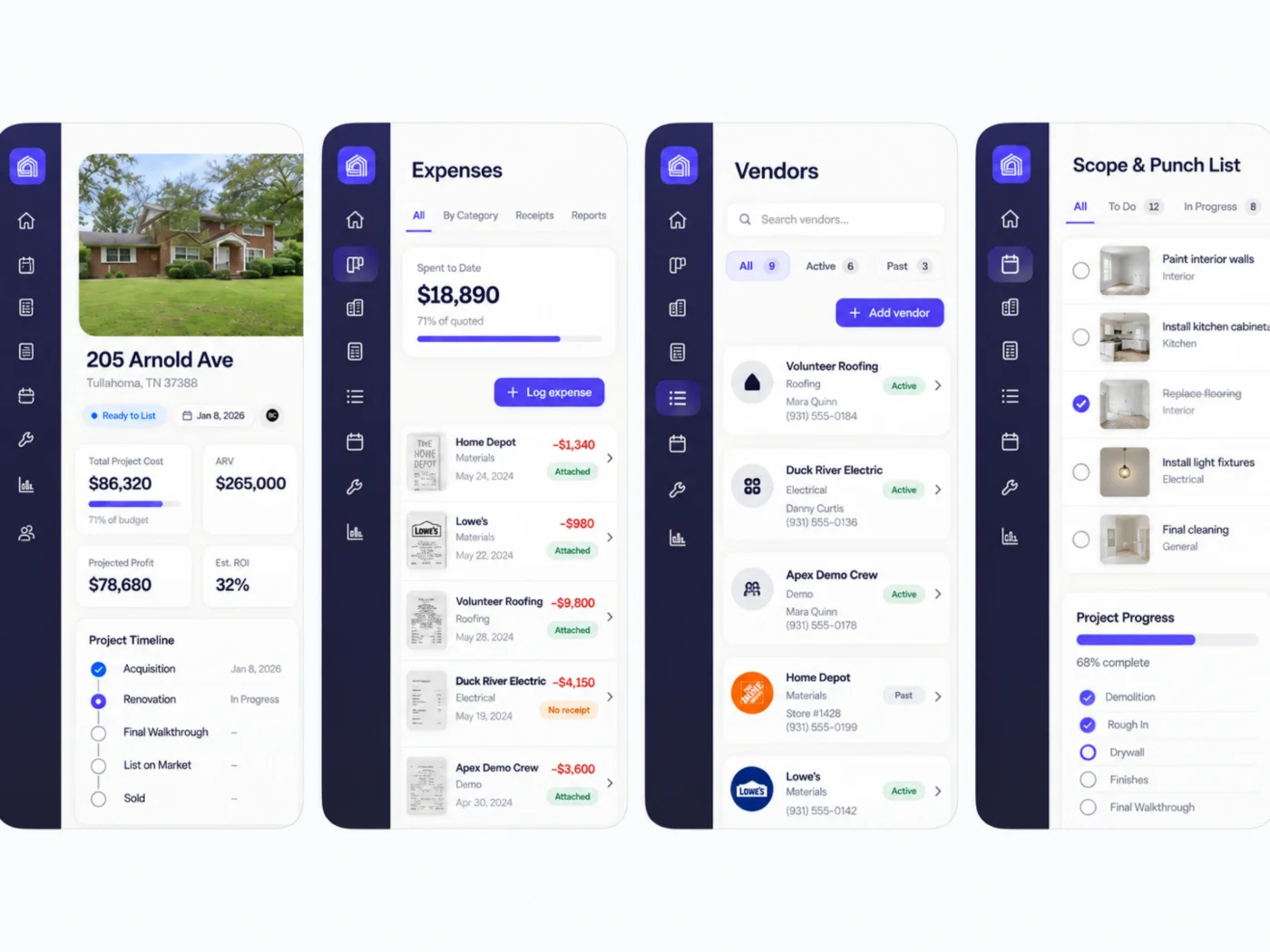
Flip OS brings property pipeline, deal evaluation, listing and comps analysis, photo review, repair sheets, files, outreach, finance, and scheduled automations into one secure product.
Task-specific models support deal analysis, comparable sales, listing extraction, property Q&A, outreach, negotiation, receipt extraction, and photo analysis, inside the workflow where the team already works.
Visit the live platform →Where it earns its keep
The model is one component of the workflow, not the product strategy. We pick tasks with enough volume, context, and business value to justify automation.
Extract fields, classify information, summarize history, compare versions, read receipts, analyze photos, and turn messy inputs into usable records.
Gather context, apply business rules, surface exceptions, prepare scenarios, and give a decision-maker a stronger starting point.
Prepare client-ready messages, offers, follow-ups, summaries, and responses using the approved voice, context, and next step.
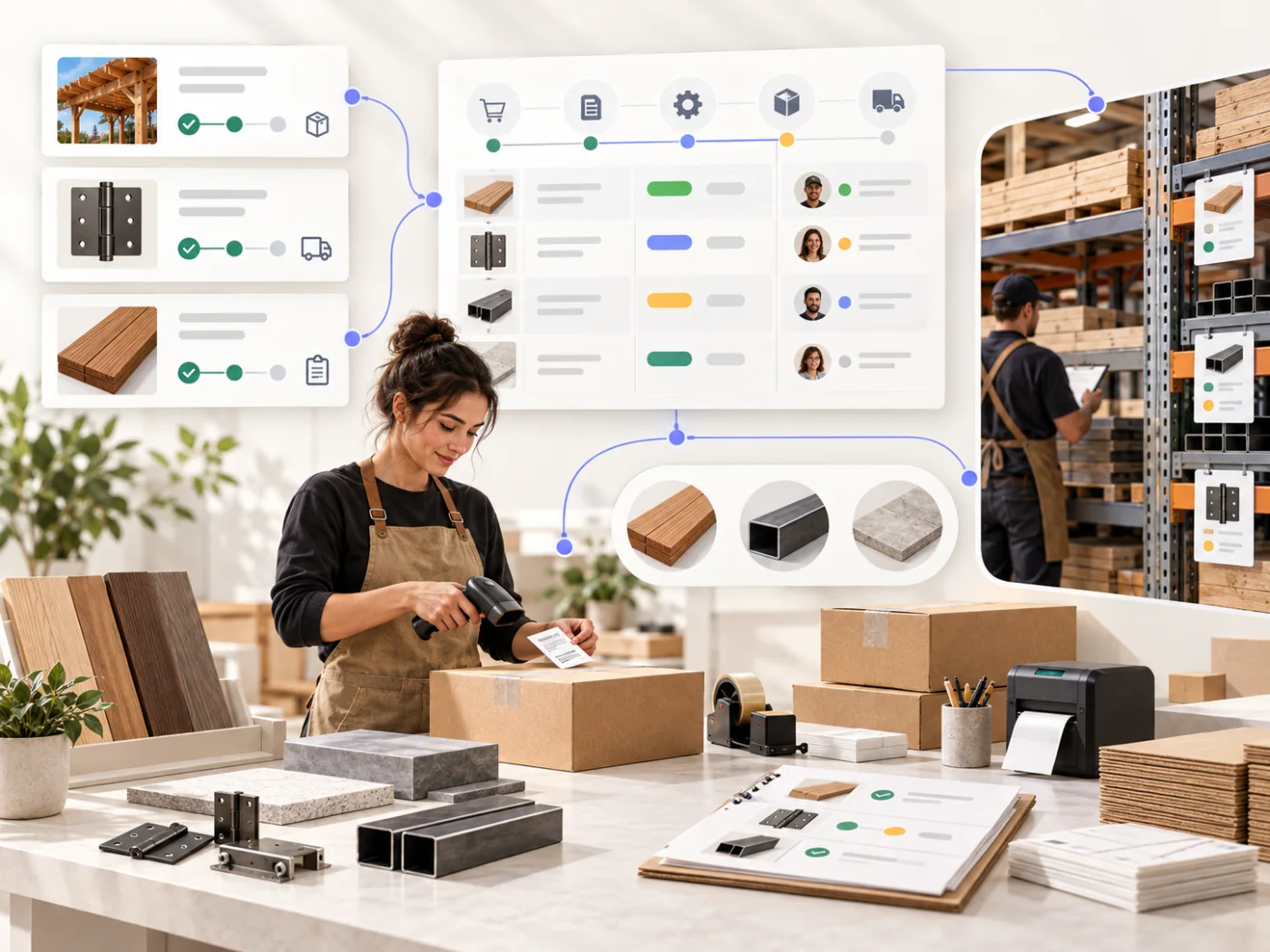
Create folders, update records, sync tasks, send transactional email, monitor conditions, and move work across systems without manual handoffs.
How we work
Useful automation needs more than a clever prompt. We design the data path, permissions, fallbacks, review state, and operational ownership so the system stays understandable after the demo.
Find repeatable work with enough volume, context, and business value to justify automation.
Connect approved data, rules, examples, and tools so outputs are relevant to the actual operation.
Add permissions, confidence states, human review, fallbacks, and audit history where the risk requires them.
Watch the workflow in use, correct failure modes, and expand only after the first job is dependable.
The standard
The user should feel that the system understands the context, prepares the right next step, and leaves control where it belongs.
Context
The property, the customer, the order, the job. Not a blank chat window asking you to paste everything in.
Next step
A drafted offer, an extracted receipt, a flagged exception, ready for the person who owns the decision.
Control
Confidence states, review queues, and audit history where the cost of being wrong is real.
Reliability
Fallbacks, logging, and clear ownership so the workflow holds up in month six, not just week one.
Scope and investment
We scope around a single repeatable task with a clear owner, then expand only after it is dependable. You get the scope, timeline, and investment in writing before work begins.
Show us the repetitive task, the information it depends on, and where the result needs to go.