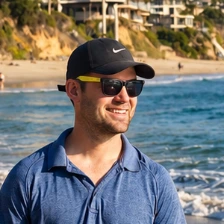
Brendan Collins
Brand, design, and front-end
Your first call. Brendan leads brand, UI/UX, and how the finished experience looks and feels.
Contact
A short note is enough. No polished brief, no jargon. We read everything and respond within 24 hours.
Bakersfield, California. Working everywhere.
Hours: all the time. We're always working.
Start a project
Who you'll talk to
Brand, design, and front-end
Your first call. Brendan leads brand, UI/UX, and how the finished experience looks and feels.

Engineering, integrations, and automation
Nathan leads architecture, databases, and the systems that make everything run and stay connected.
After you reach out
A real person, not an autoresponder. If a quick call is the right next step, we’ll suggest a couple of times.
We talk about the business, the people using the system, and what is slowing them down. No prep required.
Recommended approach, timeline, and price. You’ll know exactly what is included and what happens after launch.
Something else on your mind? Email us or call (661) 444-2857.
What the business does, what is slowing you down, and roughly when you need it. A sentence or two on each is plenty. We will ask the rest on a call.
Within 24 hours, from Brendan or Nathan directly. If a call is the right next step, we will suggest a couple of times.
Yes. We are based in Bakersfield, California and work with businesses anywhere through focused sessions, shared reviews, and agreed milestones.
Every project is scoped individually. After discovery you receive a written proposal with approach, timeline, and price before any work begins.
Most good projects do. We find the smallest system that fixes the bottleneck first, then connect the next piece only when it improves the same outcome.