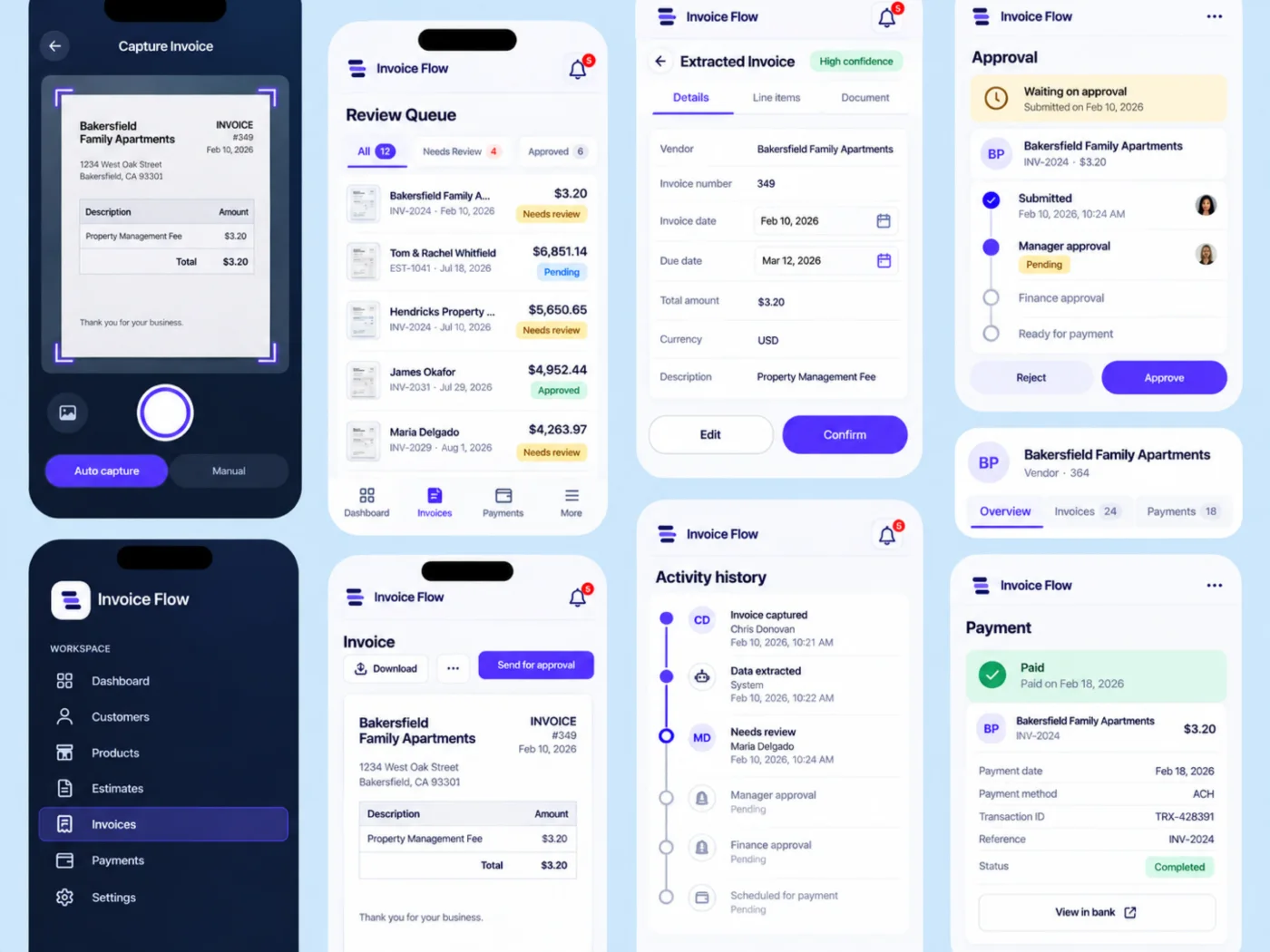
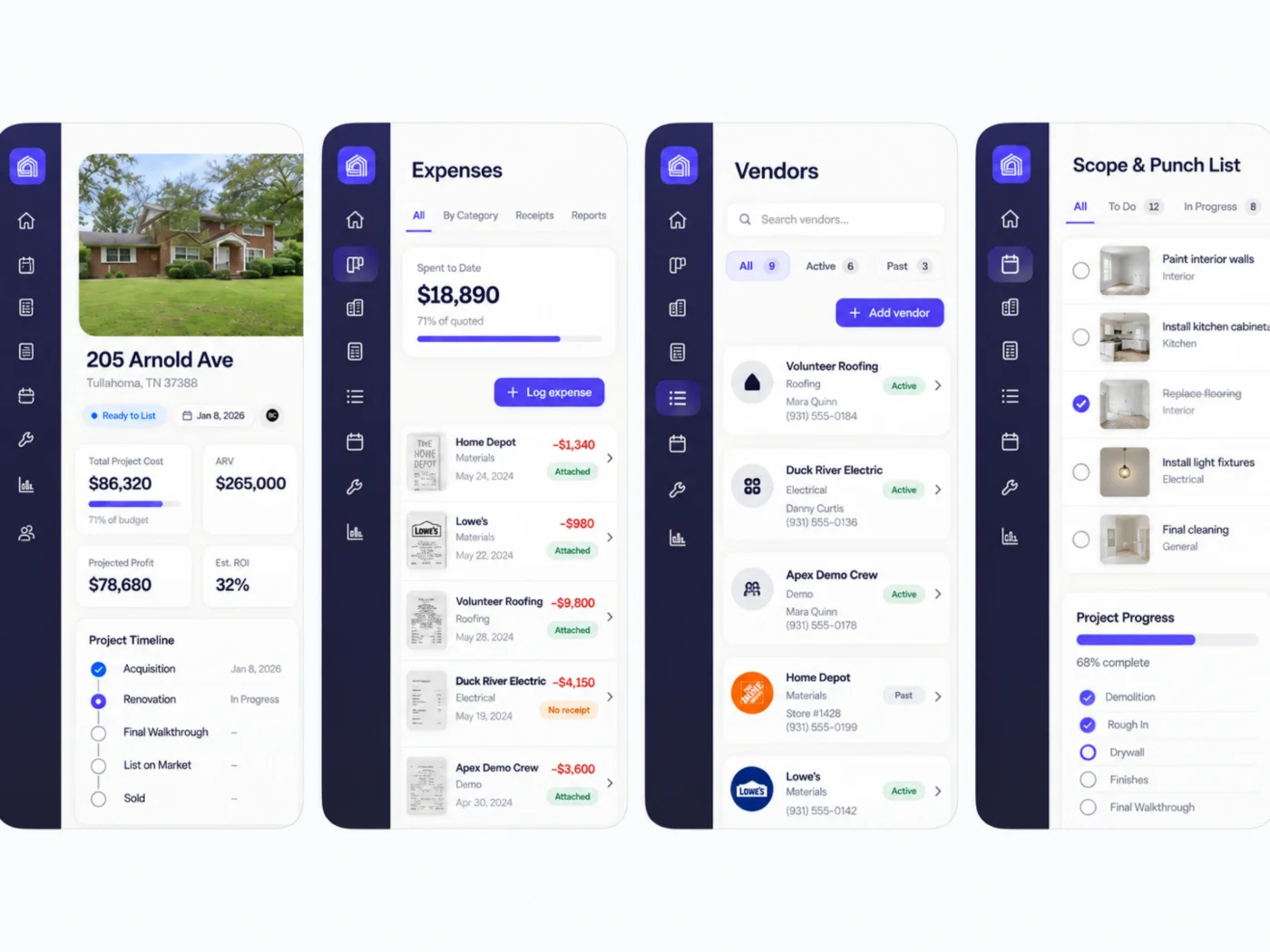
Internal platforms and workflow systems
Pipelines, projects, tasks, budgets, expenses, inventory, vendors, files, reporting, and role-based work queues.
ServicesCustom software
We learn how work moves through your company, then build the quoting, operations, finance, inventory, and customer software around it. The result fits the business instead of forcing the team into another rigid subscription.
Where we start
Most growing companies already have a system. It is just spread across spreadsheets, inboxes, texts, accounting tools, and the one person who remembers how everything works. We make that operating knowledge visible, dependable, and easier to use.
Stop re-keying the same customer, product, or project details across disconnected tools.
Pricing, margin, status, inventory, and risk surface inside the workflow instead of after it.
Add roles, workflows, automations, and integrations without rebuilding the business around a new platform.
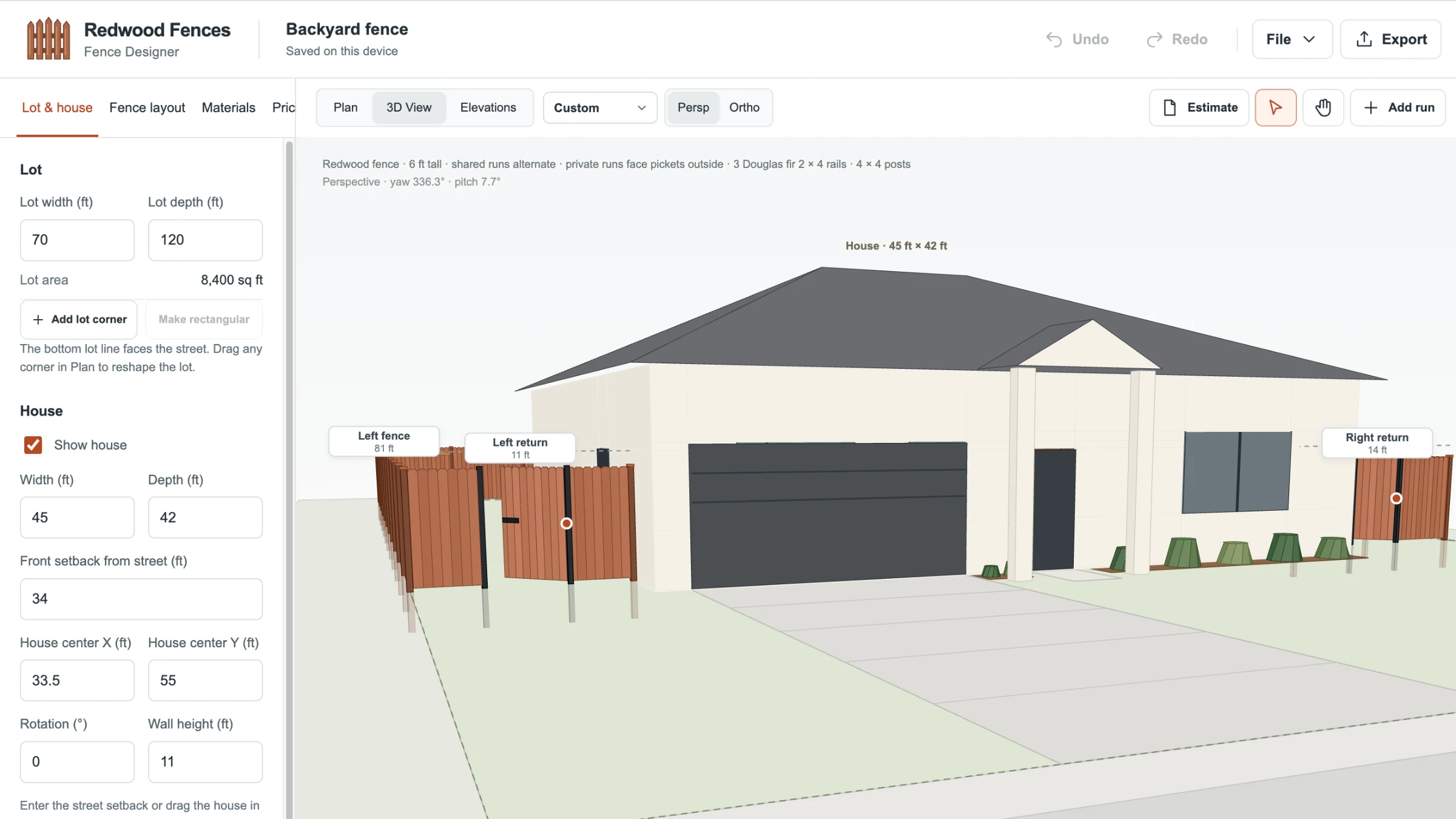
Featured · Fence & Gate Builder
Fence & Gate Builder turns dimensions and fabrication rules into live geometry, accurate estimates, takeoffs, purchase lists, and cut lists. It bridges the customer conversation and the shop floor.
A visual configurator, estimating engine, material takeoff, and production tool built around the way gate fabricators actually sell and build.
See Fence & Gate Builder →What we build
We do not force every problem into the same product. The interface, data model, permissions, integrations, and release plan follow the work and the people doing it.
Pipelines, projects, tasks, budgets, expenses, inventory, vendors, files, reporting, and role-based work queues.
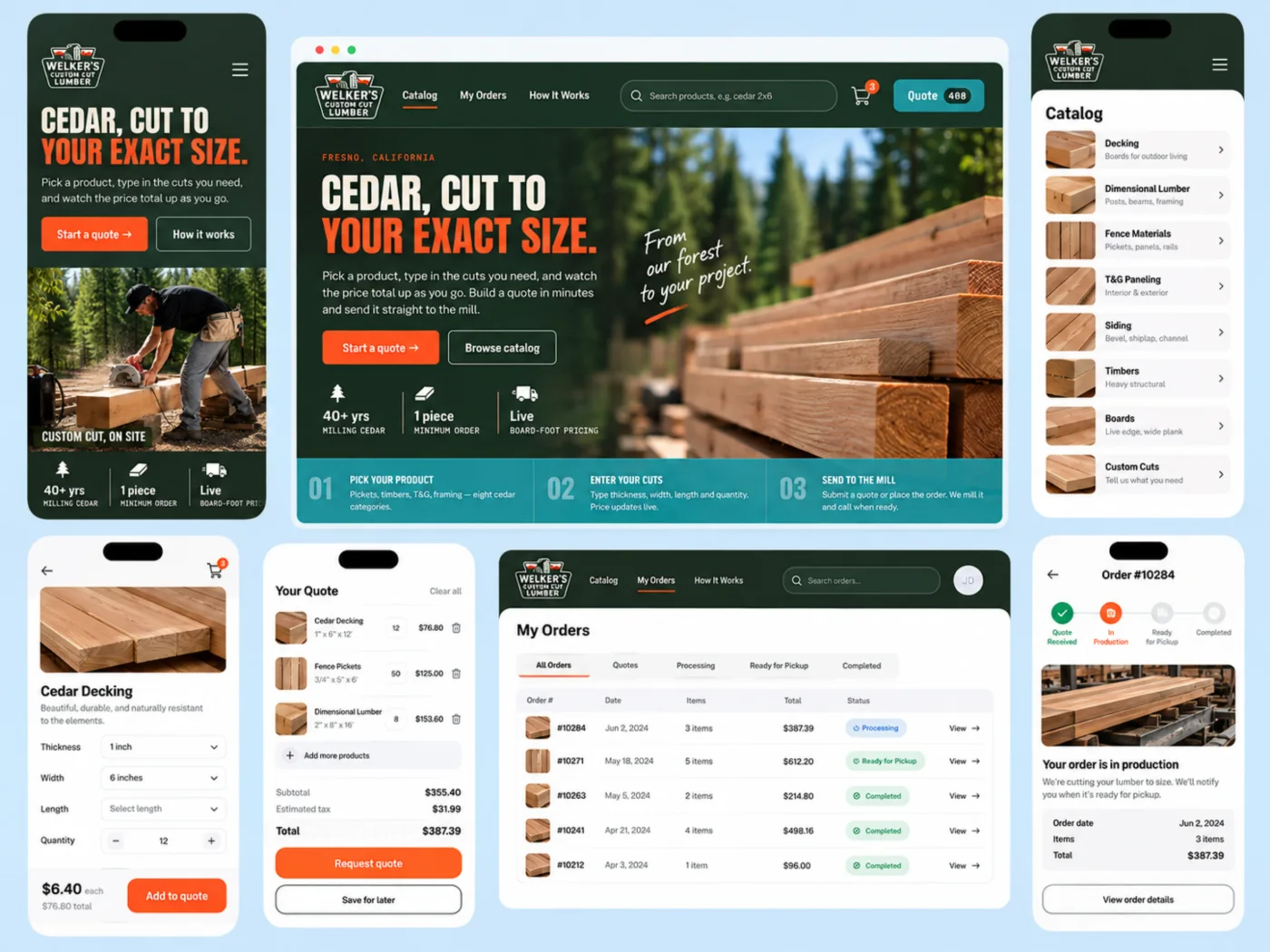
Guided inputs, product rules, geometry, pricing engines, live previews, proposals, carts, and repeat ordering.
Approvals, status, documents, invoices, payments, service requests, reorders, and account-specific information.
Stripe, QuickBooks, Google Workspace, Supabase, external data sources, transactional email, and the tools you already trust.
How we work
You see the system early and often. We resolve the riskiest workflow first, release useful pieces in stages, and keep improving the product with the people doing the work.
Follow the real process, decisions, exceptions, spreadsheets, and handoffs before defining screens.
Prototype the core flow with your team so the product is shaped before engineering scales.
Release usable slices, migrate the right data, connect the right tools, and learn from actual use.
Stay responsible after launch as the workflow, team, and opportunity continue to change.
When it pays off
Custom software pays off when the business already has working logic, but people have to carry it across disconnected tools, repeated entry, and manual handoffs.
If the team can calculate it in a spreadsheet, we can turn it into software.
Signal 01
Spreadsheets, inboxes, and text threads are carrying status and decisions.
Signal 02
Quotes depend on dimensions, options, exceptions, and knowledge held by a few people.
Signal 03
People keep calling for updates, documents, approvals, invoices, and payments.
Signal 04
Roles, approvals, reporting, and accountability no longer fit inside the old process.
Scope and investment
After we understand the workflow, users, data, complexity, integrations, timeline, and support needs, we recommend the right scope, timeline, and investment. Larger systems can be phased so the highest-value workflow is built and tested first.
The first conversation is about the workflow, the people using it, the source data, and the business result. Technology comes after those parts are clear. Something else? Email us or call (661) 444-2857.
Internal operations platforms, quoting and configurators, customer and partner portals, dashboards, and the integrations between them. Most projects replace a spreadsheet-and-inbox workflow with one connected system.
Usually, yes. If the team can calculate it in a spreadsheet, the logic can become software with roles, validation, history, and reporting. We start by mapping the spreadsheet and the handoffs around it.
Yes. QuickBooks, Stripe, Google Workspace, CRMs, email, file storage, and external data sources are common connections. We only connect what improves the workflow.
With a working session about the process, the people using it, the source data, and the business result. Then we prototype the core flow so you see the product before engineering scales.
Yes. Hosting, monitoring, updates, and the next useful feature stay part of the plan. Support is matched to the system and scoped in the proposal.
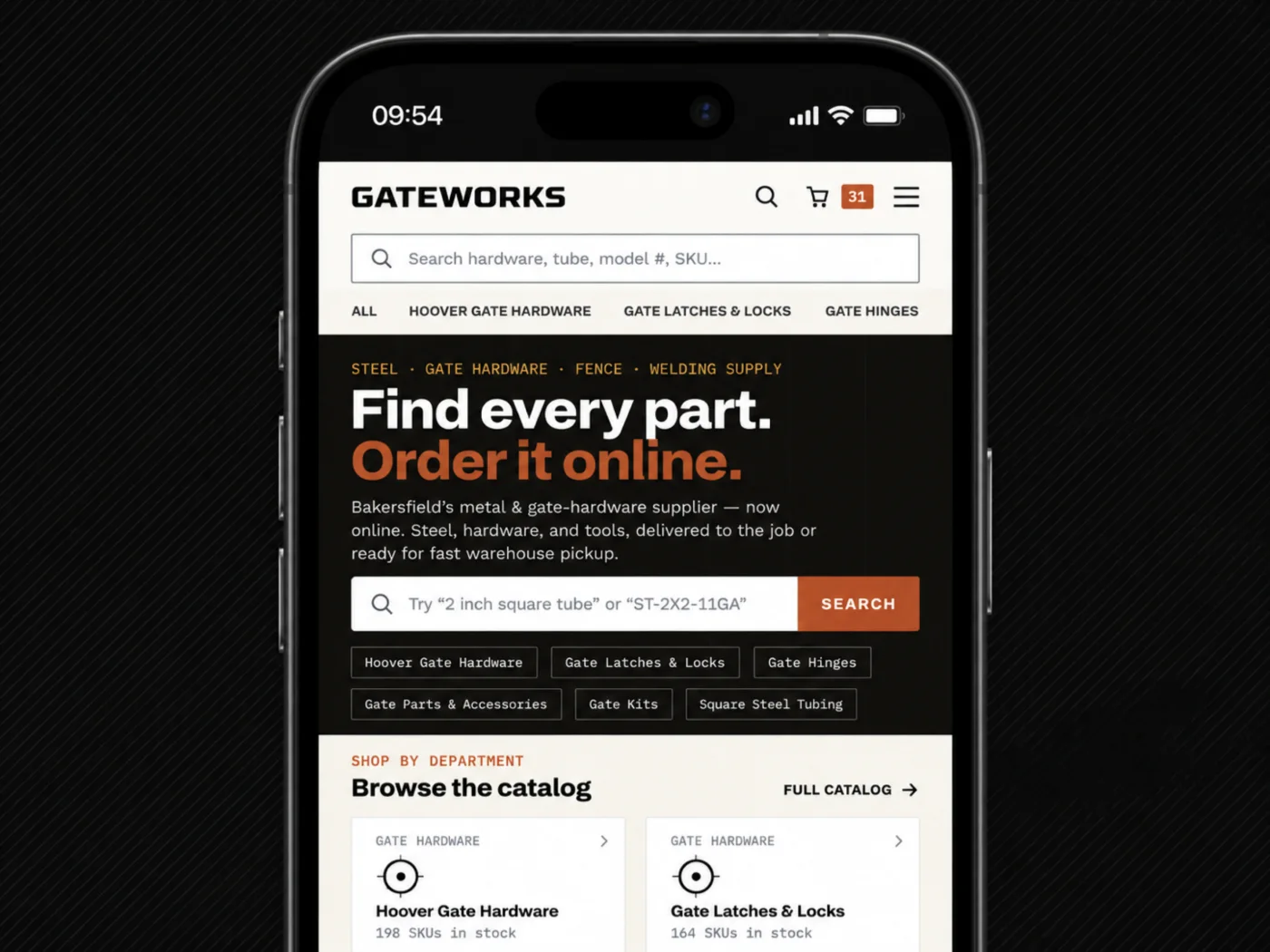
Yes. Leads, quotes, and orders from the public site can land directly in the operations system, and the same product rules can power a custom e-commerce experience.
We will help you find the first useful system to build, without over-scoping the problem.